Neighborhood
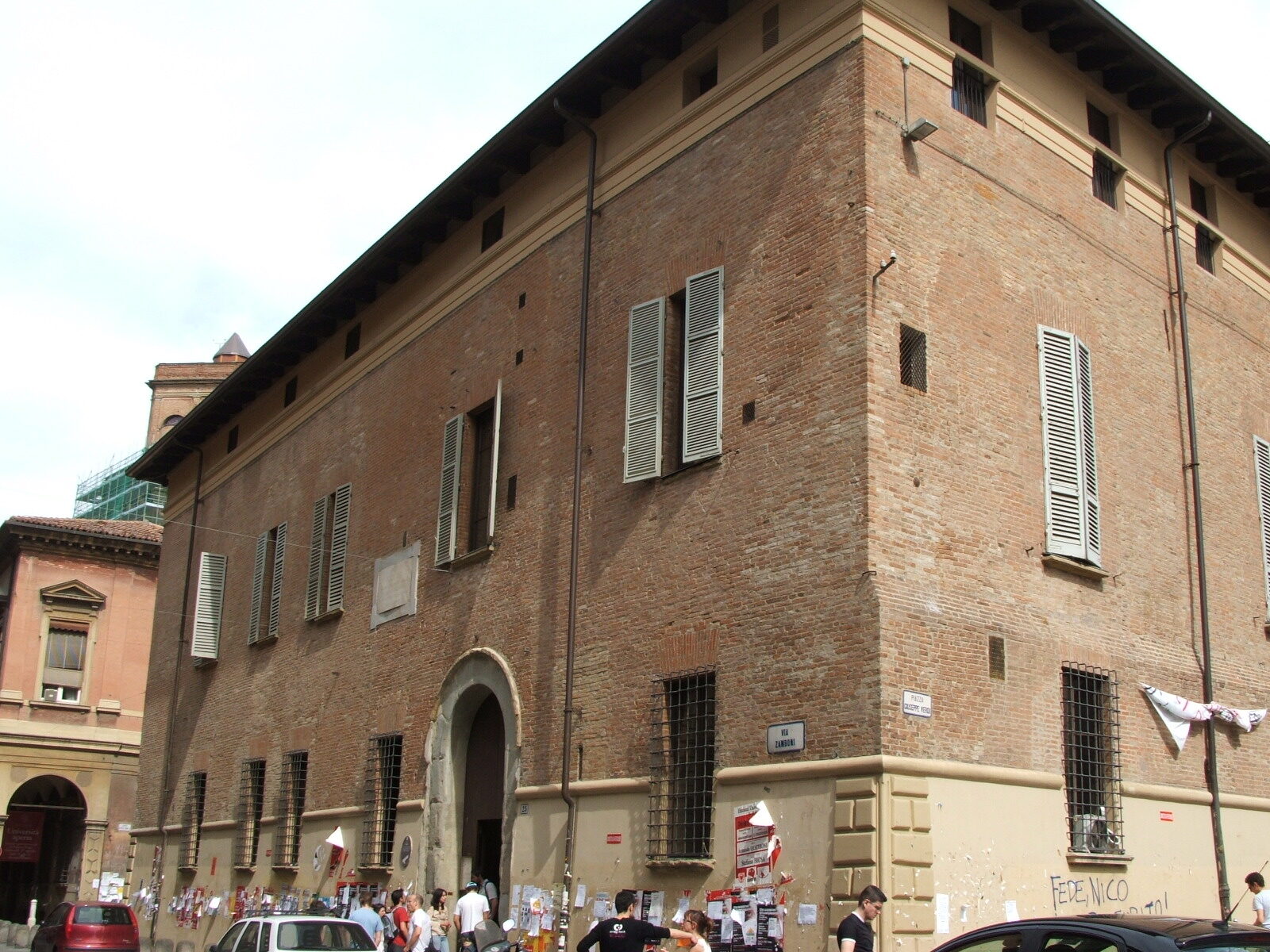
The University Quarter
Via Zamboni, the libraries and the cheap student bars northeast of the towers. Loud, young and full of cheap eats.
More →
The centro storico is small, dense and almost entirely walkable. Everything a first-timer wants to see sits within a 20-minute stroll of one square: Piazza Maggiore.
Bologna's historic center is one of the largest medieval cores in Europe, but it doesn't feel sprawling. The old walls have mostly gone, replaced by a ring road, and everything inside that ring is reachable on foot. Start in Piazza Maggiore and you're never more than a quarter of an hour from the towers, the market, the university or the oldest porticoes in the city.
This page is the orientation map for the rest of the guide. Get the lay of the land here, then dive into the specific quarters and sights linked along the way.
On this page
Think of the old town as a wheel. Piazza Maggiore is the hub. Three pedestrianized streets fan out from the junction beside it, the area locals call the "T": Via Rizzoli runs east toward the towers, Via Ugo Bassi runs west, and Via dell'Indipendenza runs north toward the train station. Get those three straight and you'll never feel lost. Almost every famous sight hangs off one of them or sits in the tangle of medieval lanes in between.
The streets here are not on a grid. They curve, narrow and double back, which is part of the pleasure. Don't fight it. Wander, look up at the porticoes, and use the towers as a landmark when you want to find your way back.
This has been the civic heart of the city for more than eight centuries. The square is ringed by medieval and Renaissance palaces and dominated by the huge, deliberately unfinished facade of the Basilica di San Petronio. Tucked into the corner is Giambologna's bronze Neptune Fountain, the city's unofficial mascot. The full Piazza Maggiore guide covers what to see on each side, including the Salaborsa library with its glass floor over Roman ruins.
Just off the square, the Archiginnasio was the first unified home of the University of Bologna, the oldest university in continuous operation in Europe, founded in 1088. Its carved-wood anatomical theatre is one of the quietest showstoppers in town.
Step under the Pavaglione portico on the east side of the square and you fall straight into the Quadrilatero, the oldest market district in Bologna. This compact grid of lanes has been the city's trading heart since the Middle Ages. Today it's delicatessens, fishmongers, fresh-pasta windows and wine bars stacked shoulder to shoulder. Come hungry, browse the stalls on Via Pescherie Vecchie, and read more on the eat and drink guide before you pick a spot.
Local tip
The "spaghetti bolognese" you grew up with isn't a Bologna dish. The real local plate is tagliatelle al ragù, flat egg-pasta ribbons that actually hold the sauce. Order that, or tortellini in brodo, and you'll eat the way the city does.
Follow Via Rizzoli east and the two leaning brick towers rise at the end of it. They're the survivors of a medieval skyline that once held more than 100 tower-houses. You can climb the taller Asinelli for the best view in the city, but only with a timed ticket booked in advance, since slots sell out. Its stumpy neighbour the Garisenda is closed for structural work and can't be climbed, so admire it from below. Full booking detail is in the guide to the Two Towers.
From the towers, Via Zamboni heads into the student-packed university quarter around Via Zamboni, while Strada Maggiore drifts toward the medieval calm of the Santo Stefano district and its complex of interlocking churches.
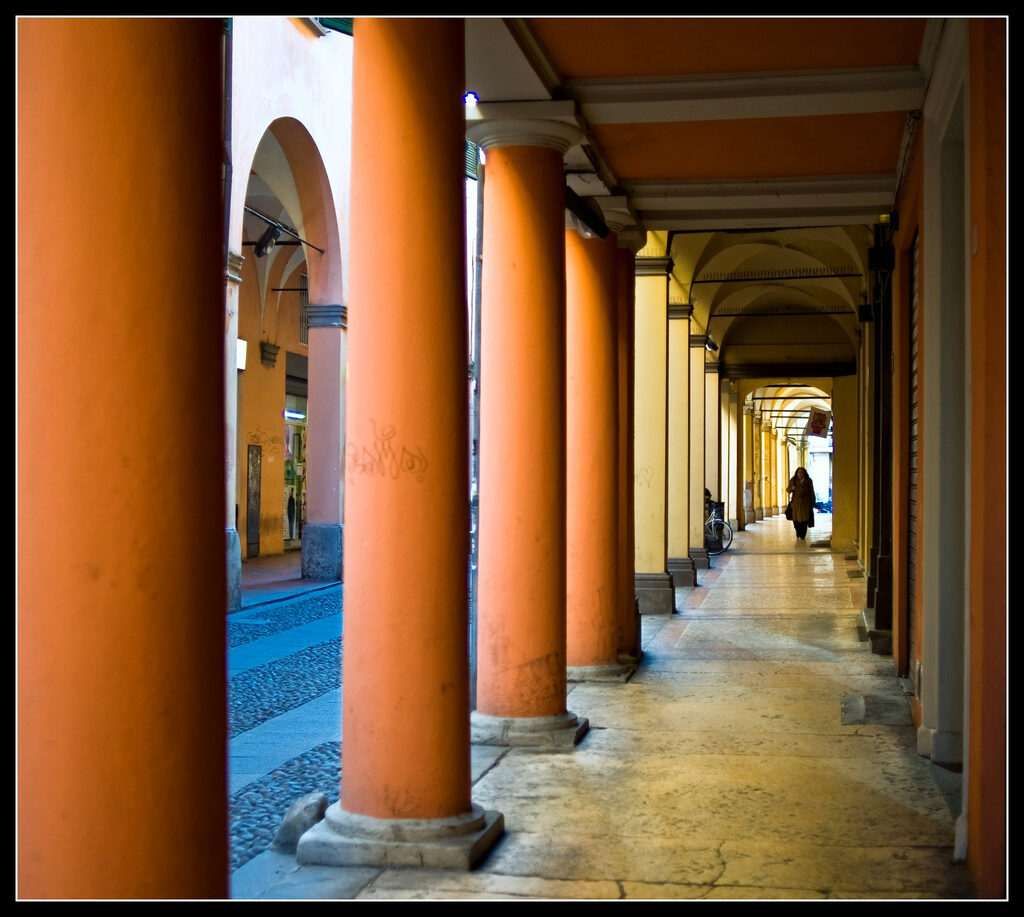
The thing that makes Bologna's center unlike anywhere else is the porticoes. Roughly 62 kilometres of covered arcades thread through the city, and they earned UNESCO World Heritage status in 2021. The practical upshot for you: you can cross most of the old town in rain or August heat without ever leaving the shade. Stroll the elegant arches of the Pavaglione by the square, then build up to the showpiece, the long climbing portico out to the hilltop sanctuary of San Luca.
The centro storico isn't one mood. Each pocket has its own feel, and they're all close enough to fold into a single day's walk.
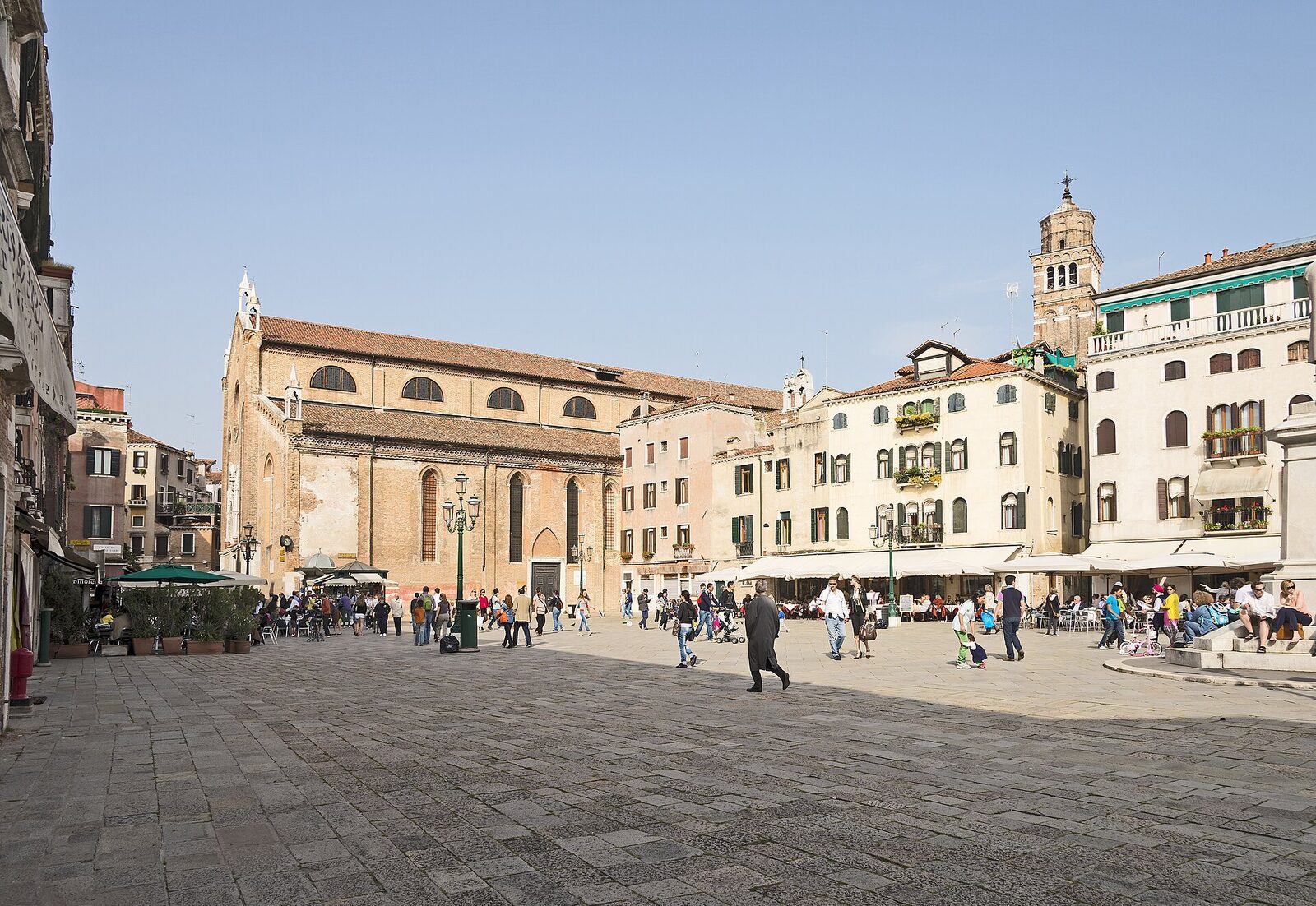
Via Zamboni, the libraries and the cheap student bars northeast of the towers. Loud, young and full of cheap eats.
More →The most atmospheric corner of the old town, built around the Seven Churches and a wide, café-lined piazza.
More →A knot of narrow medieval lanes and overhanging houses just north of the towers, with a quiet, layered history.
More →The bohemian street on the western edge of the center, where the aperitivo crowd spills onto the cobbles at night.
More →The green ridge that rises right behind the center, with the San Luca portico, viewpoints and easy escapes from the city.
More →Walk. Honestly, that covers most of a visit here. The whole old town fits inside the ring road, and the porticoes make even a wet afternoon comfortable. If your feet give out, city buses cut across the center, but distances are so short you rarely need them. The full getting around guide has the bus and taxi detail.
One thing to know if you're driving: most of the historic center is a ZTL, a limited-traffic zone, monitored by cameras from roughly 7am to 8pm. Unauthorized cars get fined automatically, and the pedestrian "T" streets are off-limits 24 hours. If you've rented a car for day trips into Emilia-Romagna, park outside the ring and walk in, and check whether your hotel can register your plate.
Where to base yourself
Staying inside or right beside the centro storico means you can drop your bags and walk to almost everything. Streets near Piazza Maggiore and the university put you in the thick of it; the edges are quieter at night.
Book a room inside the historic center and Piazza Maggiore, the towers and the Quadrilatero are all a short walk from your door.
Find hotels in the centro storicoWant the highlights in order? Start with the best things to do in Bologna, then sort out where to stay and where to eat the real ragù.