Free · 30-45 min
The Seven Churches
The interlocking chapels, cloister and courtyards that give the square its name. Free entry, deeply atmospheric.
More →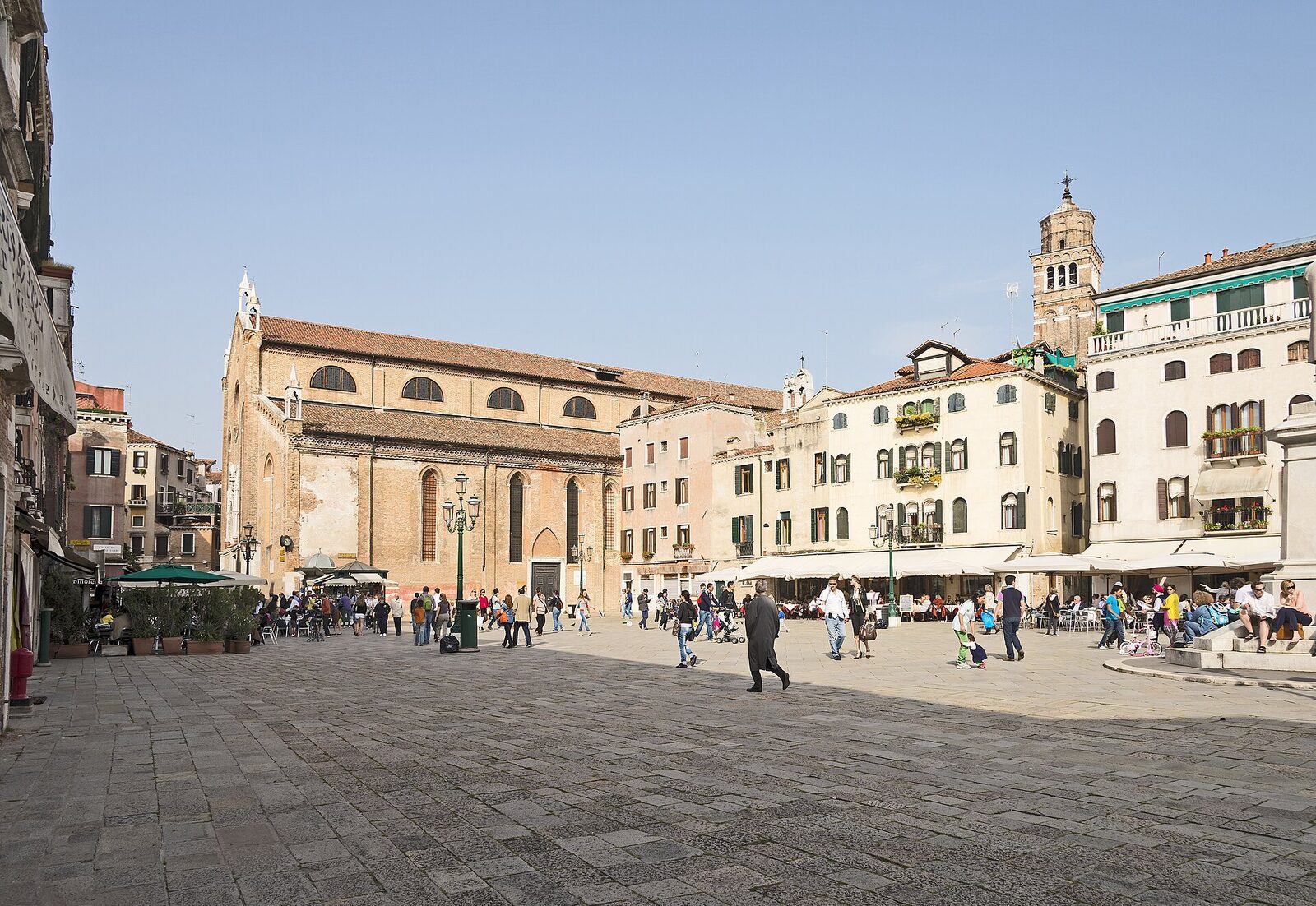
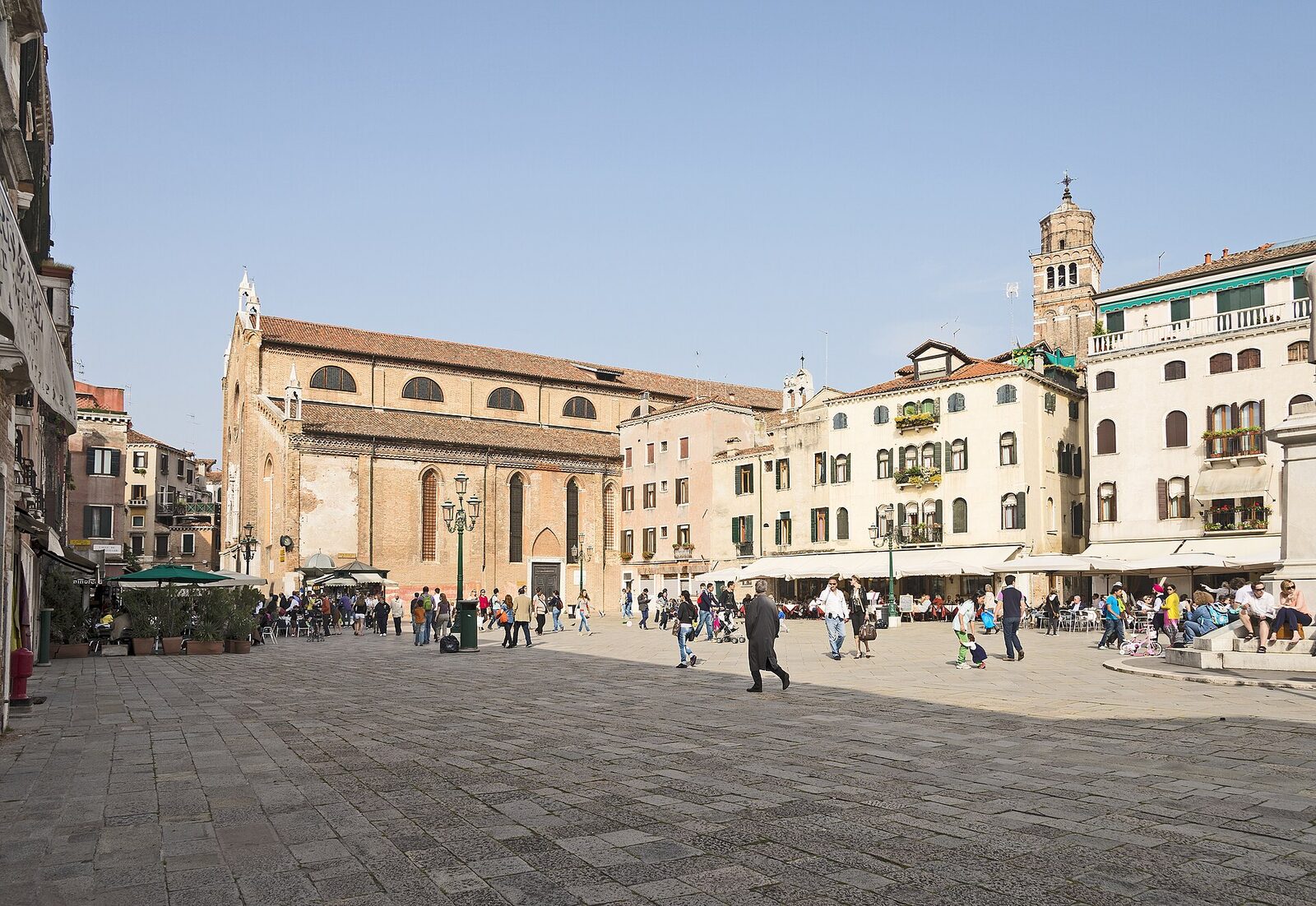
Ask a Bolognese for the most beautiful spot in the city and most of them say the same thing: the wedge-shaped piazza in front of the Seven Churches.
The Santo Stefano area is the quiet, well-heeled corner of Bologna's historic centre, a short walk southeast of Piazza Maggiore. It's built around Piazza Santo Stefano, a triangular medieval square that opens up in front of the Seven Churches complex, lined with silk-merchant palazzi and a string of cafes. People come here to sit, not to tick things off.
You can see the whole area in an unhurried half day. The two anchors are the church complex and the piazza itself, but the real pleasure is the streets around them: Via Santo Stefano running down toward the old gate, and the covered passage of Corte Isolani that links it across to Strada Maggiore.
On this page
Piazza Santo Stefano isn't a tidy rectangle. It fans out like a slice of pie from the entrance of the church complex, widening as it runs back toward Via Santo Stefano. That odd shape, plus the porticoes and the warm brick facades, is exactly why it photographs so well and why locals treat it as an outdoor living room. Grab a coffee or an aperitivo at one of the cafe tables and you've got the best free seat in Bologna.
The thing everyone calls the "Seven Churches" is really one interlocking complex of chapels, courtyards and a cloister, built and rebuilt since the 5th century. Legend says Bologna's patron, San Petronio, founded it over an earlier temple to Isis. Inside you wander between the octagonal Church of the Holy Sepulchre, the courtyard known as Pilate's Courtyard, the older sanctuary of Saints Vitale and Agricola, and a peaceful Benedictine cloister. Entry is free, it's rarely crowded, and 30 to 45 minutes is about right. Read the full Seven Churches of Santo Stefano guide for the layout and what to look for.
Local tip
This is an active religious site, so dress modestly (shoulders and knees covered) and keep your voice down. Hours shift around midday and on feast days, so check official times before you go rather than relying on a fixed schedule.
Walk down Via Santo Stefano and you're reading Bologna's history in its walls. Twelfth-century tower-houses sit folded into late-medieval merchant homes that later got Renaissance facelifts. Look out for Palazzo Bolognini Amorini Salina, famous for the row of grimacing terracotta heads running along its frieze, the Case Tacconi merchant houses, and the linked palazzi of the Isolani family. This was, and still is, one of the smartest addresses in the city.
Halfway along, duck into Corte Isolani, a restored covered passage that cuts through to Strada Maggiore and the centro storico. It's lined with small shops and restaurants and is one of the more pleasant places to escape the heat or the rain.
On the second weekend of most months, the Mercato Antiquario takes over Via Santo Stefano. Around a hundred dealers from across Emilia-Romagna spread out tables of old prints, linens, jewellery, furniture, kitchen tins and odd bits of bric-a-brac. It runs Saturday and Sunday and usually skips July and August. Even if you buy nothing, it's a good excuse to slow down and poke through the stalls.
The interlocking chapels, cloister and courtyards that give the square its name. Free entry, deeply atmospheric.
More →The Two Towers, Piazza Maggiore and the Quadrilatero are all within a ten-minute walk of the piazza.
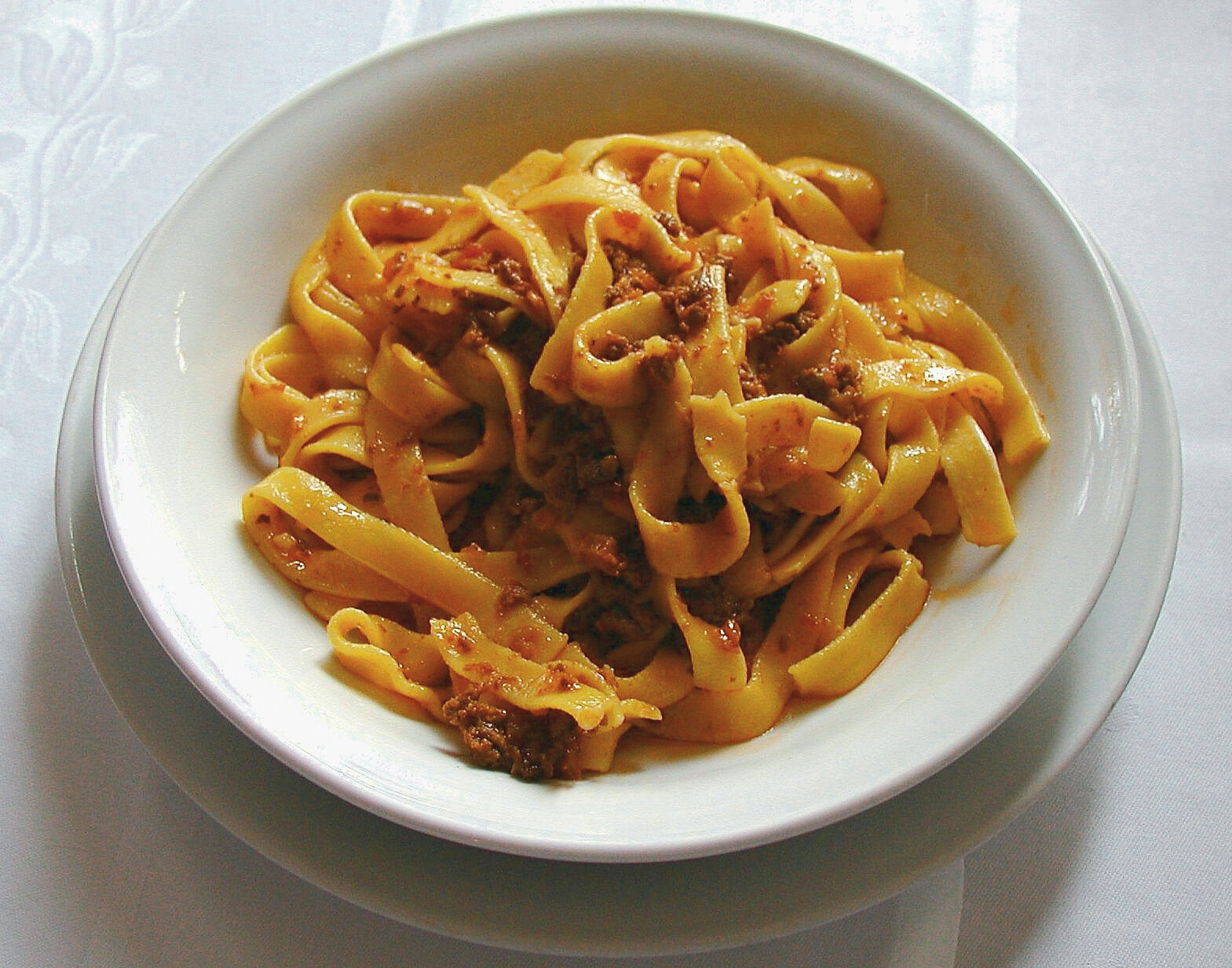
More →Sit-down trattorias and aperitivo tables cluster around the square. Order the tagliatelle al ragù, never spaghetti.
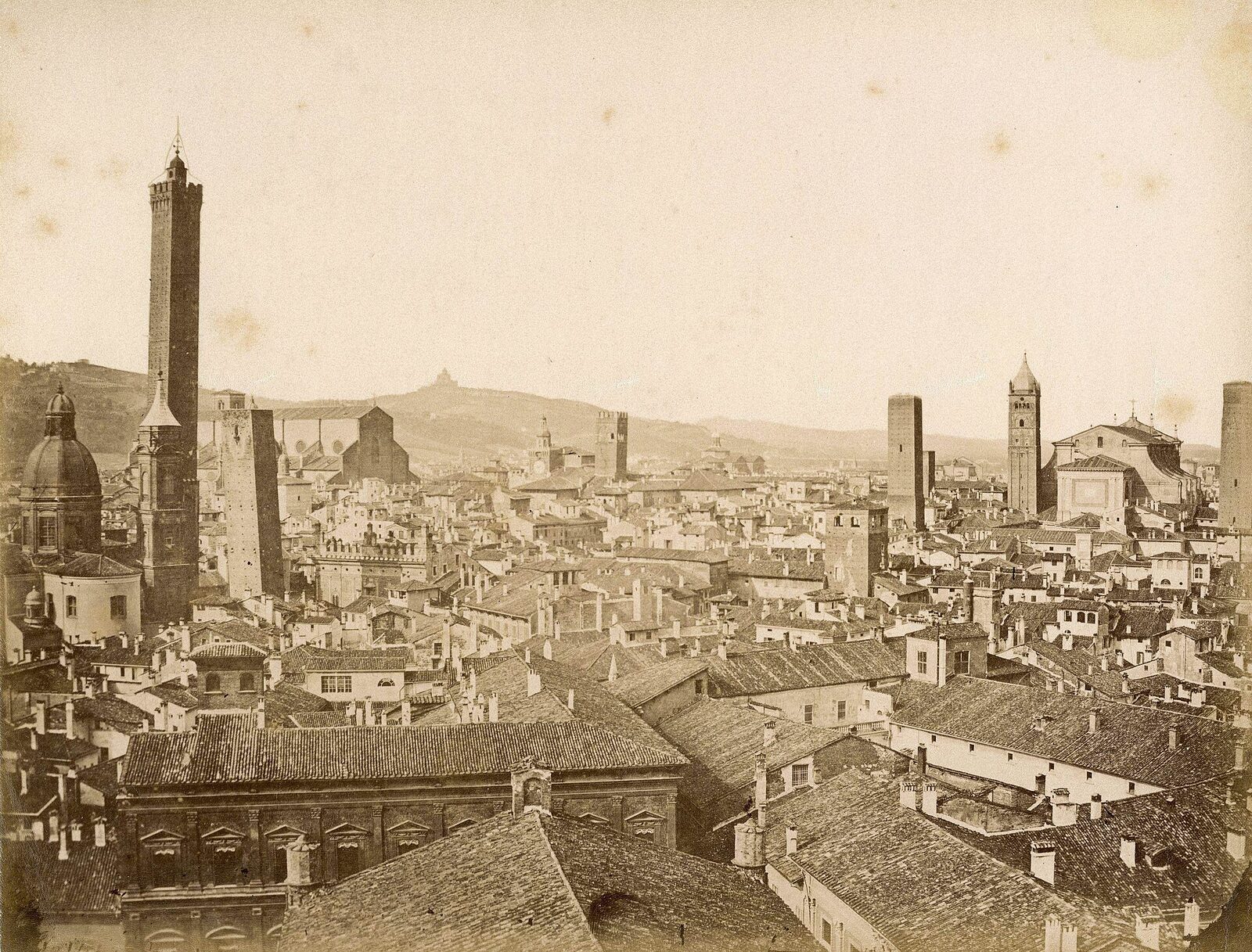
More →One of the best things about Santo Stefano is how central it is. From the piazza you're a couple of minutes from the leaning Asinelli and Garisenda towers at the top of Via Santo Stefano, and a short stroll from the cafes and bookshops of the student district around Via Zamboni. Head the other way and you're soon in the lanes of the old Jewish Ghetto, the most intact medieval quarter in the city.
For a different mood, swap the polish of Santo Stefano for the scruffier bars and street life of Via Pratello's bohemian strip, the regenerating workshops of the Bolognina district north of the station, or trade the centre entirely for green space on the Bologna hills.
Everything here is walkable, and that's how you should do it. The whole area is inside the pedestrian-friendly centro storico, so leave the car well outside the ring road. If you're arriving fresh, our notes on getting around Bologna cover the limited-traffic zone and how to reach the centre from the station.
Staying in or near Santo Stefano puts you in the prettiest, quietest part of the old town while keeping the main sights on your doorstep. Expect boutique guesthouses and converted palazzi rather than big chain hotels. Compare options across the best places to stay in Bologna if you want to weigh other neighbourhoods.
Rooms in the Santo Stefano pocket of the centro storico book up early, especially around the monthly market weekends. Check what's available before you lock in dates.
Find hotels near Santo StefanoShort on time and want context as you walk? A guided stroll through the centro storico usually loops past the square and explains the towers, the porticoes and the palazzi in one go.
Most walking tours of Bologna's old town pass through Santo Stefano and join the dots between the square, the towers and Piazza Maggiore.
Browse Bologna walking tours