When
Best time to visit
Month-by-month weather, festivals and crowd levels so you pick the right week.
More →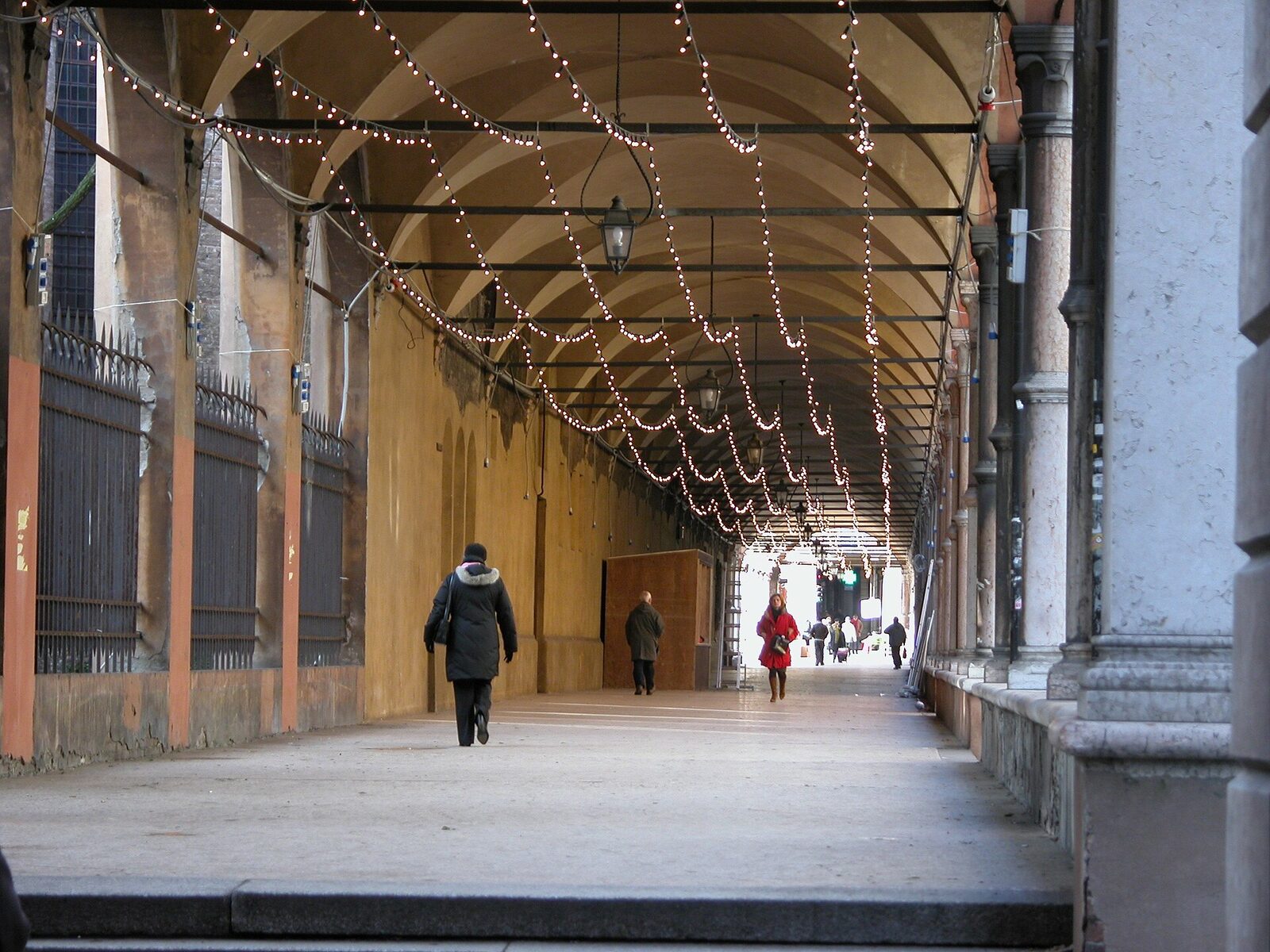
Everything a first-timer needs in one place: how long to stay, when to come, how to get in from the airport, and where to point yourself once you arrive.
Bologna is one of the easiest Italian cities to plan. The centre is small and almost entirely walkable, the high-speed trains drop you 15 minutes from Piazza Maggiore, and the airport monorail gets you downtown in seven. Most of your "planning" is really just deciding how many days to give it and which trattoria to book first. This guide pulls together the practical bits, then points you to the deeper guides for each piece.
Quick version: give it two nights minimum, come in spring or autumn if you can, skip the rental car, and book the Asinelli Tower climb before you leave home. Everything else is detail.
On this page
Two full days is the sweet spot for a first visit. That's enough to climb the surviving tower, wander the medieval centre, eat properly twice a day, and still have an afternoon to slow down. One day works if you're passing through between Florence and Venice, but you'll leave wanting more. Three days lets you add a museum or two, the walk up to San Luca, or a day trip out to Modena or Parma.
If you only have one night, prioritise the centro storico on foot and one sit-down meal of tagliatelle al ragu. The city packs medieval towers, the oldest university in Europe, a UNESCO portico network and Italy's best food into a centre you can cross in 20 minutes, so even a short stop pays off.
Local tip
Bologna sits dead centre on the Florence–Bologna–Venice high-speed line, so it slots neatly into a wider Italy trip. Treat it as a base and you can reach Modena, Parma or Ravenna in under an hour by train. See the ready-made 1, 2 and 3-day Bologna plans if you want it mapped out hour by hour.
Spring (April to June) and early autumn (September to October) are the best windows: mild weather, the porticoes keep you out of any sudden rain, and the crowds stay manageable. July and August get hot and muggy, and a lot of locals leave town, so some trattorie close for holidays. Winter is quiet, atmospheric and great for eating, just pack for cold, damp days.
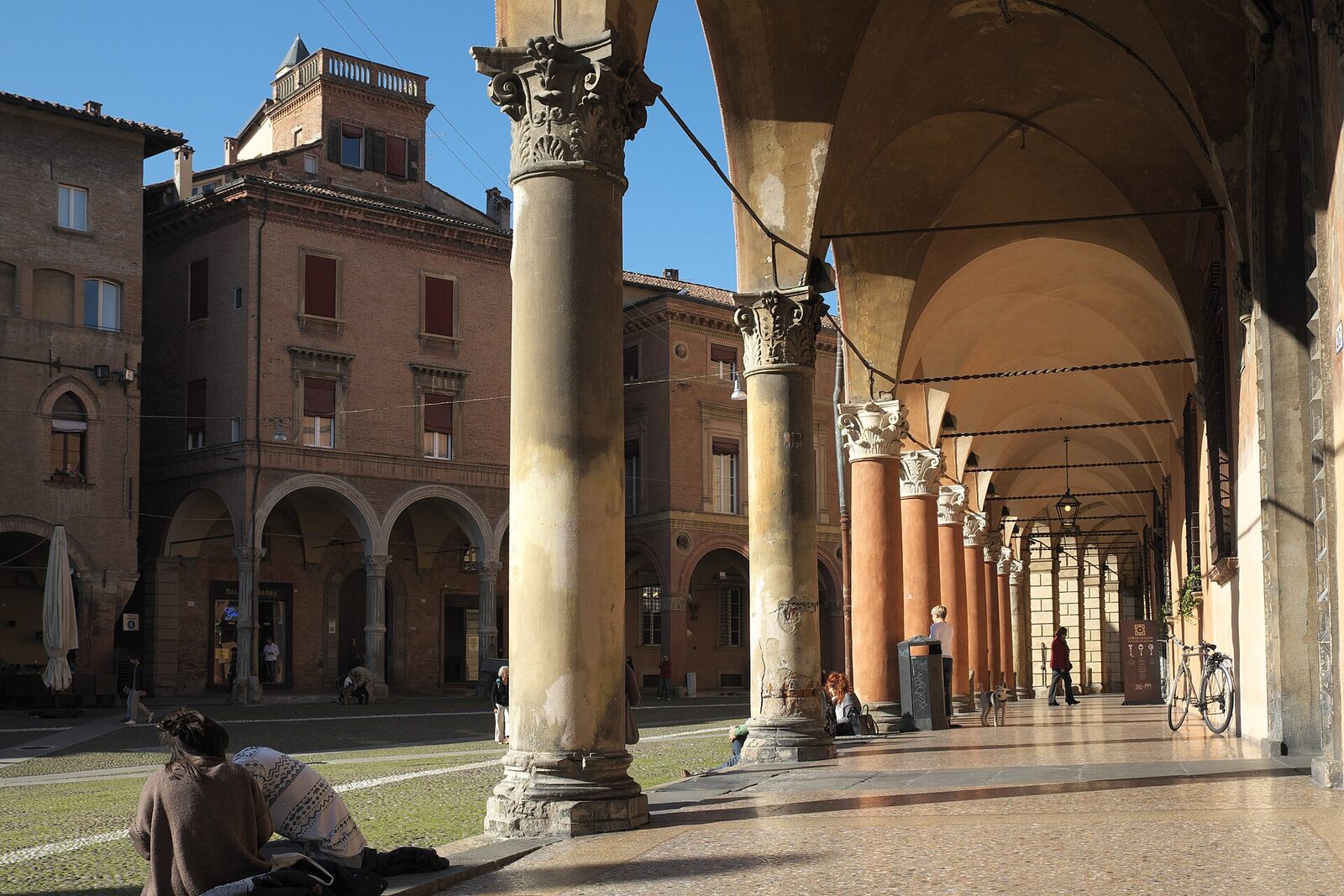
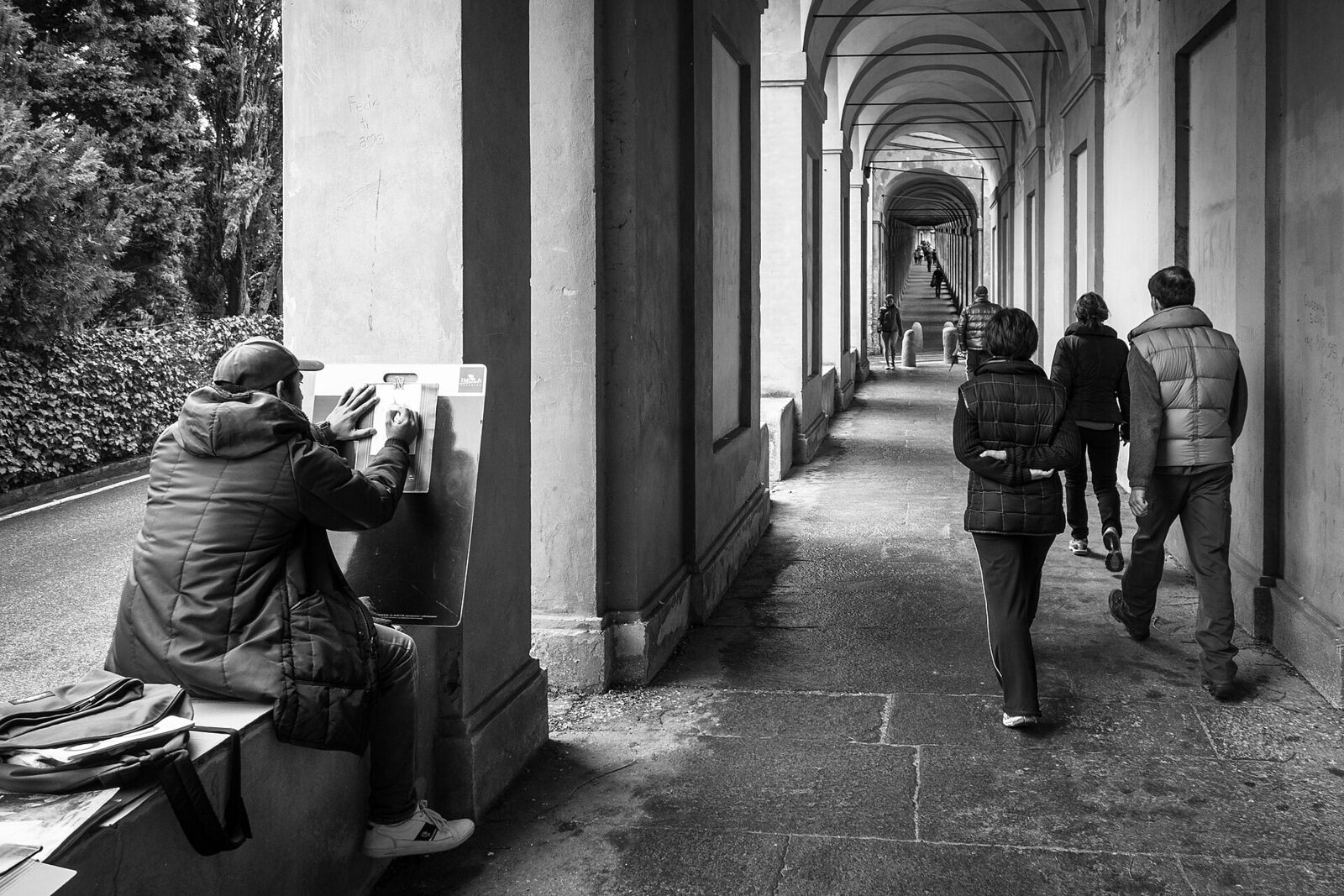
The porticoes are a genuine year-round asset. Roughly 62km of covered walkways mean you can cross most of the centre rain or shine, which is part of why the network earned UNESCO World Heritage status in 2021. For the full month-by-month rundown on weather, festivals and prices, see the guide to the best time to visit Bologna.
Bologna's Guglielmo Marconi airport (BLQ) sits just northwest of the city. The fastest way into town is the Marconi Express, an elevated monorail that runs from the airport straight to Bologna Centrale, the main train station, in about seven minutes. It runs from early morning until around midnight with frequent departures, and you tap in with a contactless card or buy a ticket at the machine. Taxis and ride apps are the alternative if you land late or have heavy bags.
From Bologna Centrale it's a short bus ride or a 15-minute walk to Piazza Maggiore. Don't invent your own budget for the monorail before you go; fares change, so check the official Marconi Express site for the current price. Full details and the cheaper bus option are in the airport-to-city-centre guide.
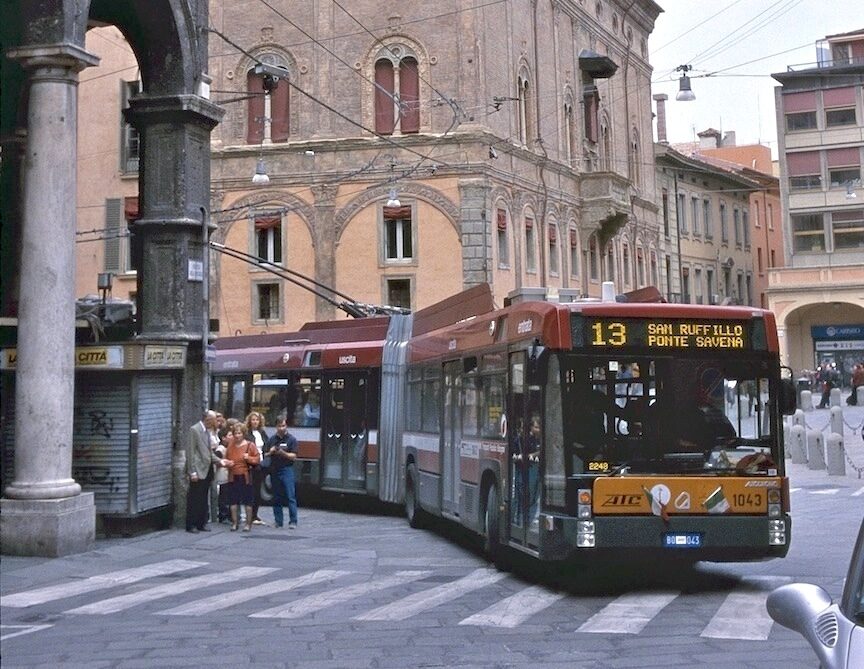
You almost certainly won't need a car. The historic centre is compact, flat and made for walking, and much of it falls inside a limited traffic zone where driving is restricted and parking is a headache. City buses cover anything beyond the centre, and the airport monorail handles your arrival and departure. Leave the rental for day trips, if at all.
Everything in this guide assumes you're on foot. For tickets, bus routes, the ZTL traffic rules and how to reach the hills, read getting around Bologna.
For a first visit, base yourself inside or just off the centro storico so you can walk everywhere and roll home after dinner. The area around Piazza Maggiore and the university quarter puts you within minutes of the towers, the food markets and the best restaurants. Book early for spring and autumn weekends, when the city fills up with trade fairs and food tourists.
Dig into specific areas and price brackets in the neighbourhood-by-neighbourhood breakdown, then compare rates below.
Staying inside the centro storico means you walk to almost everything. Compare hotels and apartments around the old town and book the dates that suit you.
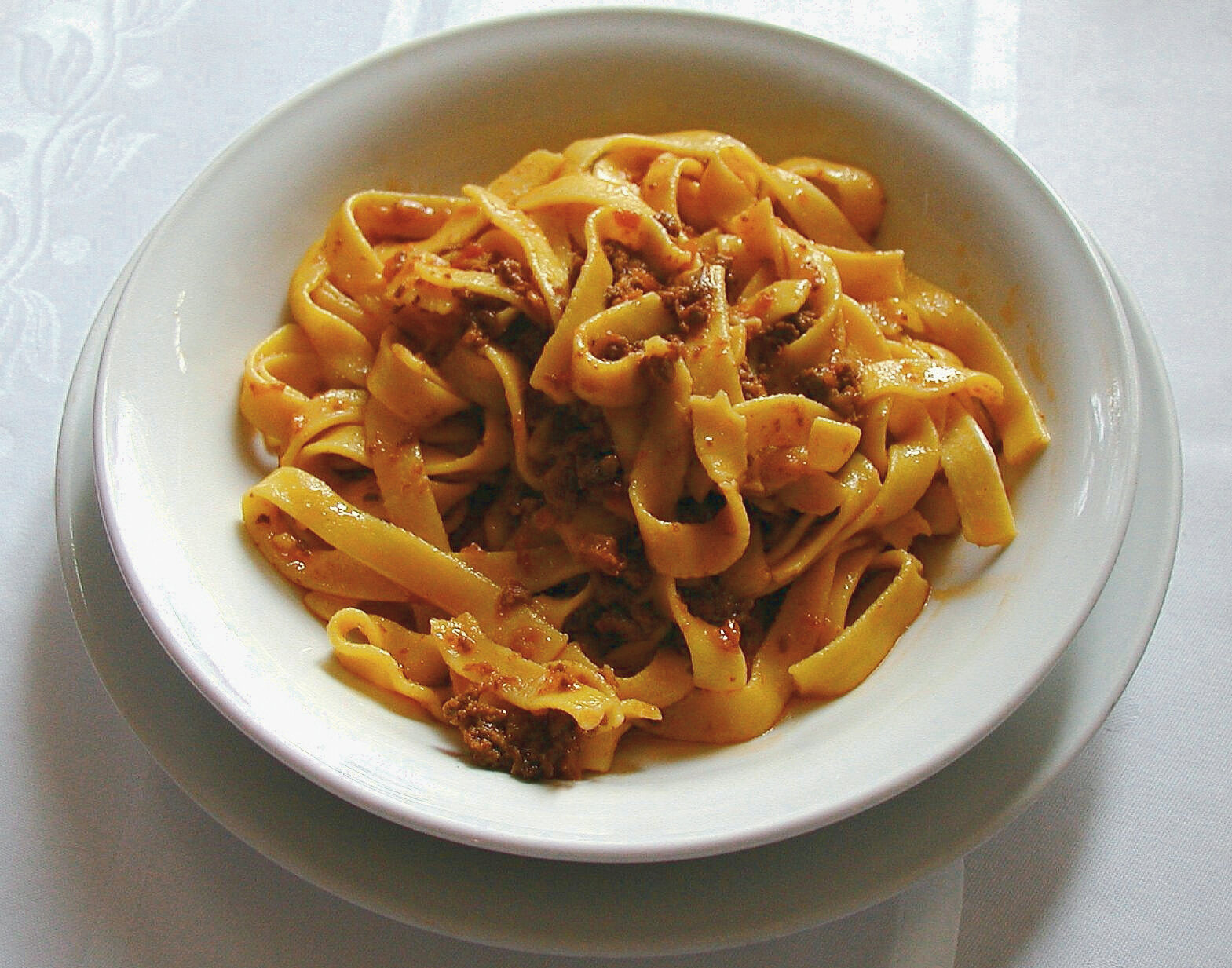
Check Bologna hotelsBologna earned the nickname "La Grassa," the fat one, for good reason. This is the home of fresh egg pasta, mortadella, and a slow-cooked meat ragu that locals serve over tagliatelle, not spaghetti. If you order "spaghetti bolognese" here you'll get a blank look; the real dish is tagliatelle al ragu. Add tortellini in broth, a plate of cured meats and a glass of Pignoletto and you've eaten like a local.
Start with the market lanes of the Quadrilatero just east of the main square, then book a proper trattoria for dinner. The full rundown of dishes and where to try them is in the what to eat in Bologna guide. A hands-on class is one of the best ways to understand the food, and many visitors rate it the highlight of the trip.
Pasta-making classes and guided food walks through the Quadrilatero are an easy way to taste your way across the city with someone who knows it.
Browse food tours & classesPick up whichever thread you need next.
Month-by-month weather, festivals and crowd levels so you pick the right week.
More →Walking, buses, the airport monorail and the trains that link Bologna to the rest of Italy.
More →The towers, the porticoes, the markets and the rest of the sights worth your time.
More →Heading further afield? See the best day trips from Bologna for Modena, Parma, Ferrara and Ravenna, or settle the eternal question of where to stay in Bologna before you book.