Jan – Feb
Winter quiet
Cold and damp, lowest prices of the year. Few crowds, full menus, white truffle still on plates. Great for a budget food weekend if you don't mind grey skies.
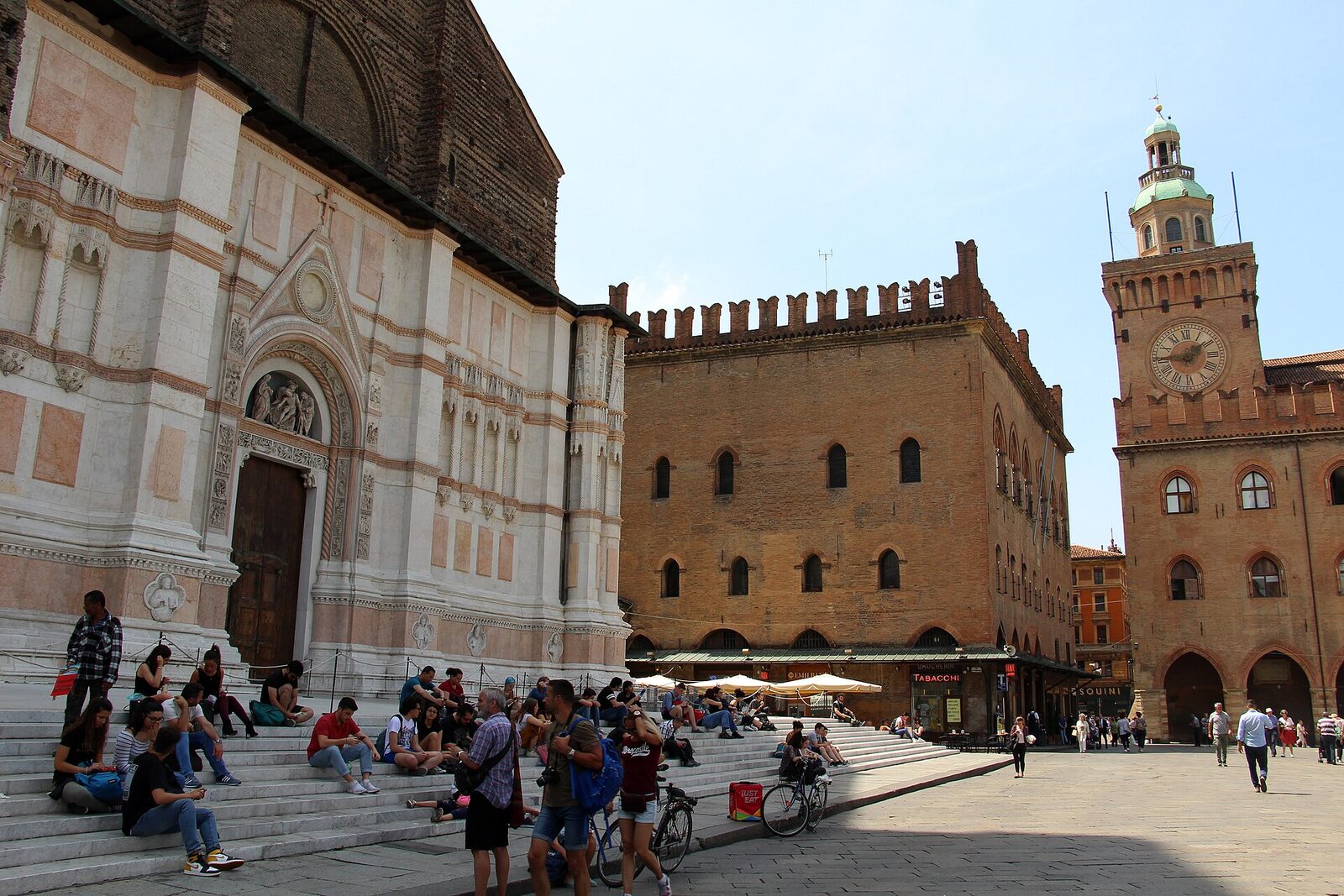
Short answer: late spring (April to June) and early autumn (September to October). You get warm days, working markets and the food at its best, without the August heat or the mid-summer shutdown.
Bologna sits in the Po Valley, which means humid, heavy summers and cold, foggy winters. The sweet spot is the shoulder seasons. From April to June and again from September to October you get comfortable temperatures, the restaurants and delis fully open, and far fewer tour groups than Florence or Venice ever see. If you only care about one thing, time your trip so the Quadrilatero market is buzzing and not shuttered.
Below is the year broken down by season and then month by month, with what's good, what's a problem, and the events worth planning around.
On this page
This is when the city looks its best. Days climb from the mid-teens into the low twenties Celsius, the porticoes throw welcome shade, and the cafe tables spill back out onto the piazzas. Late spring is also when the festival season kicks off, so there's usually something on in Piazza Maggiore in the evening. Pack a light layer for the mornings and an umbrella, because April and May get the odd shower.
Hot and muggy. The Po Valley traps the heat and humidity, so July and August routinely push past 30°C and feel hotter. The upside is the open-air cinema in Piazza Maggiore and the long evenings. The downside is the central two weeks of August, when locals leave town and a lot of family-run delis, trattorias and market stalls simply close. If August is your only option, aim for the start or end of the month and lean on early starts before the heat builds.
For most travelers this is the smartest window. September keeps the warmth without the worst of the humidity, October cools into perfect walking weather, and the kitchens come alive as truffle and new-harvest season arrives. Restaurants are fully back from the summer break and the crowds thin out once the European holidays end.
Cold, often grey, sometimes foggy, and the cheapest time to come. Bologna does winter well though. The porticoes keep the rain off while you walk, the Christmas markets light up Strada Maggiore from November, and this is prime time for heavy ragù, tortellini in brodo and white truffle. Bring a proper coat and expect short daylight hours.
Cold and damp, lowest prices of the year. Few crowds, full menus, white truffle still on plates. Great for a budget food weekend if you don't mind grey skies.
Milder, greener, the odd rainy day. Easter can bump prices and crowds for a week. A good time to walk the city and tackle the San Luca portico before the heat.
Warm, long evenings, festivals starting. The best all-round window: comfortable weather and the city fully open. Book hotels early, this is popular.
High heat and humidity but the city is still working. Open-air cinema in Piazza Maggiore most nights. Start early, rest midday, eat late like the locals.
Hottest month and many shops shut mid-month for the holidays. Doable at the edges of August, frustrating in the middle. See the warning below.
Mild, uncrowded, restaurants back at full strength, truffle season opening. If you care about eating well, this is the time. Our top pick alongside late spring.
Cold and atmospheric. Christmas markets along the arcades, the Santa Lucia fair, and hearty cold-weather cooking. The porticoes keep you dry on a rainy day.
Bologna is a food destination first, so the calendar matters. The richest stretch runs from October through December, when white truffle appears, the new olive oil arrives, and the menus turn to tortellini in brodo and slow ragù. Remember the real local dish is tagliatelle al ragù, not "spaghetti bolognese," and you'll find it served properly all year. For a full rundown of what's on the table and where to order it, read our guide to the classic Bologna dishes, then book a food tour or pasta class for the season you're visiting.
Local tip
Whatever month you pick, avoid eating out on a Sunday evening or Monday when you can, especially in winter. Plenty of the best trattorias close one or both, and in the central weeks of August the closures multiply. Check ahead and reserve.
Two windows trip people up. The first is mid-August, roughly the week either side of Ferragosto on the 15th, when the heat peaks and a chunk of the city closes for the summer holidays. The second is any major trade-fair week: Bologna's fairgrounds host big international expos through the year, and when one is on, hotel prices spike and rooms vanish. If your dates feel oddly expensive, a fair is usually why, so it pays to shift by a few days or stay slightly outside the centre.
Rooms in the centro storico go fast for the May to June and September peaks, and during fair weeks. Once your travel window is set, sort the hotel first.
Check Bologna hotel availabilityOnce you've picked your month, build the rest of the trip. Decide which part of the city to base yourself in, sort out trains, buses and the airport run, and fit the sights into a ready-made one, two or three-day plan. For everything in one place, start with our complete Bologna trip planner.