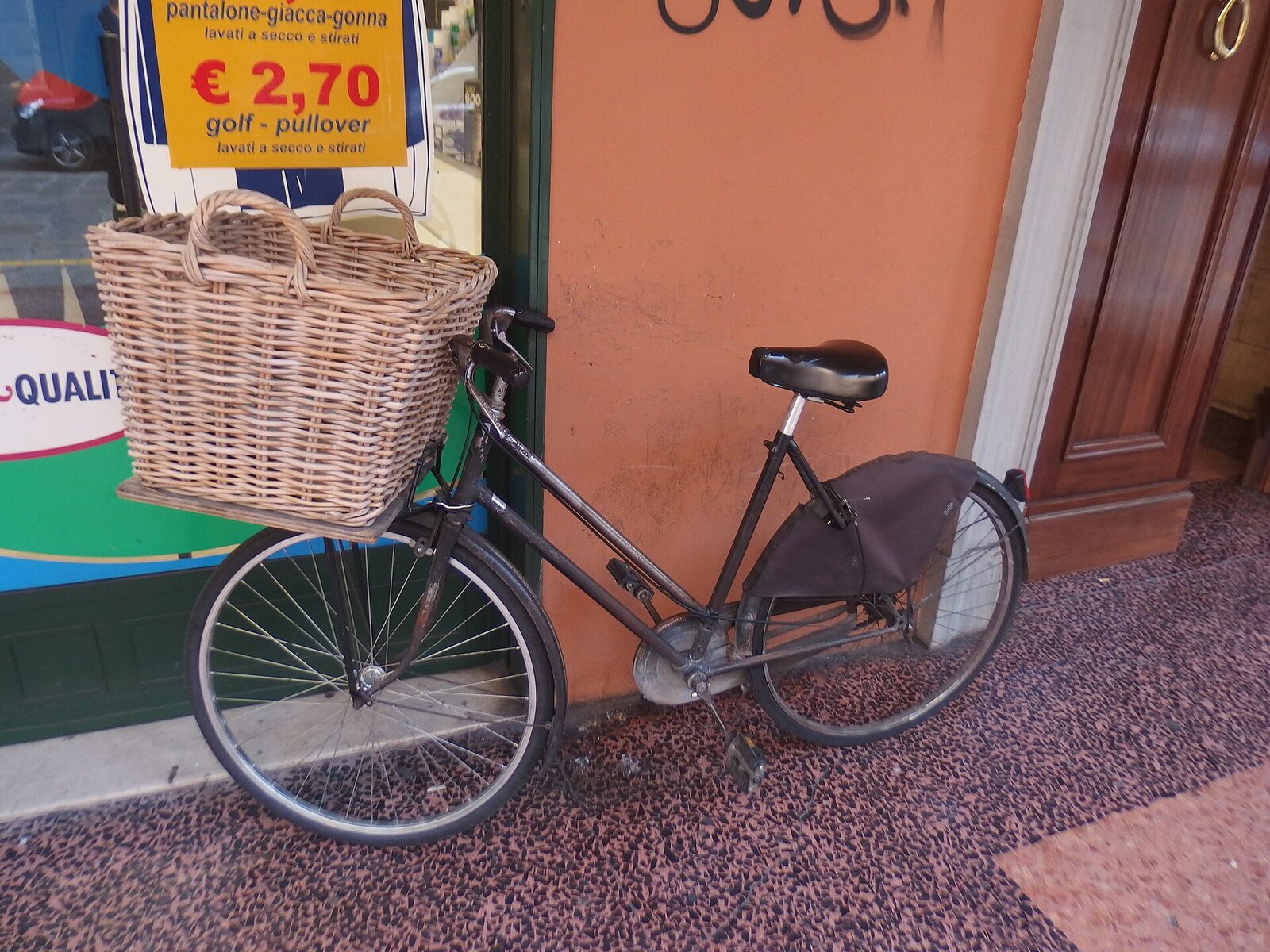
Bolognina: Bologna's up-and-coming quarter
Cross the tracks north of the station and the porticoes give way to brick workshops, murals and the best multicultural food in the city. This is where Bologna feels least like a postcard.
Bolognina sits directly behind the central train station, on the far side of the railway from the medieval centre. It grew up around the railway yards and factories in the late 1800s as a workers' district, and it still wears that grit. Over the last couple of decades it has turned into the youngest, most multi-ethnic part of Bologna, and the city's clearest open-air gallery of street art. If the centro storico is where you tick off the sights, Bolognina is where you see how the city actually lives.
It is not a tick-list neighborhood. There is no single monument to photograph and leave. The reward here is wandering: grid streets named after painters and architects, Senegalese and Chinese grocers next to old metal workshops, murals on the sides of plain apartment blocks, and aperitivo bars that fill with students and locals rather than tour groups. Give it an afternoon, ideally on foot or by bike.
- Where
- North of Bologna Centrale, across the tracks
- Known for
- Street art, multicultural food, nightlife
- Vibe
- Working-class, young, unpolished
- Time needed
- Half a day
Why Bolognina is worth a detour
For decades Bolognina was the place you passed through, not to. It was the district of repair shops, the former wholesale fruit-and-vegetable market, and an older, settled population. That changed fast. Cheaper rents pulled in students, immigrants and artists, and today it has one of the highest concentrations of young people in the city. The result is a neighborhood with real friction and energy, a long way in feel from the arcaded calm of the centro storico.
It also carries political weight Italians know well. In 1989 the Italian Communist Party chose a Bolognina section meeting to announce the change that would dissolve the party. "La svolta della Bolognina" is still shorthand in Italian politics. The district has stayed proudly left-wing and self-organized, which is part of why so much grassroots culture took root here.
The street art
Bolognina is the heart of Bologna's mural scene. Plain post-war facades and industrial walls have been handed over to local and international artists, so you turn a corner and find a four-storey face staring back at you. The most famous piece is Blu's "The Kiss" on Via Aristotile Fioravanti, two faces locked in an embrace across the whole flank of a building. Around it, Via Fioravanti, Via Carracci and the smaller side streets carry work by the likes of Ericailcane, whose strange animal characters show up across the area.
You can do this on your own with a map, but the murals are scattered and the context matters. A guided street-art tour, often by bike, links the best walls and explains who painted what and why. It is one of the few organized things to do out here, and it is a good one.
See the murals with a local guide
Street-art bike and walking tours start near the centre and loop through Bolognina's best walls, with the stories behind each piece. Easier than hunting them down alone.
Find street-art tours in BolognaEat and drink like the neighborhood does
This is the best part of Bolognina. Because the district is genuinely multicultural, you can eat well beyond the usual tagliatelle. Around Via Tibaldi, Via Albani and the streets near the market you will find Senegalese kitchens, Chinese restaurants, Middle Eastern bakeries and cheap, excellent ethnic groceries. Mixed in are the new wave of bars and craft-beer spots that draw a young crowd at aperitivo. For the classic Emilian side of the city, the proper Bologna food scene still lives across the tracks, but Bolognina is where you go for variety and value.
Local tip
Bolognina is at its best in the early evening, when the workshops close and the bars fill up. It is a normal lived-in city district, not a tourist zone, so use the same common sense you would in any urban neighborhood after dark and stick to the busier streets.
Around the station: DumBO and the old yards
Just west of the station, on the edge of this side of the railway, the old Ravone freight yard has been turned into DumBO (Via Casarini), a sprawling temporary culture and events space in the disused sheds. It runs concerts, markets, food trucks, sport and exhibitions through the warmer months, and it shares Bolognina's reuse-the-industrial-bones spirit. Check what's on before you go, since programming is seasonal.
How to get there
Bolognina is the easiest neighborhood to reach because it is right behind Bologna Centrale. From the main station, take the underpass or the rear (Piazza Medaglie d'Oro is the front; the Bolognina side exits north). On foot from Piazza Maggiore it is about 20 minutes, or a few minutes by bus or bike. If you arrive in the city by train, you can dip into Bolognina before you even reach the centre. For the wider picture of moving around, see our getting around Bologna guide.
Where to stay nearby
Staying near the station puts you a short walk from both Bolognina and the historic core, and rooms here tend to be cheaper than inside the arcades. It suits travelers who want easy train access for day trips out of Bologna and don't mind a 10-minute walk to the sights. For the full rundown of areas, read where to stay in Bologna.
Find a base near the station
Hotels and apartments around Bologna Centrale give you cheaper rates and quick access to Bolognina and every onward train.
Check stays near Bologna stationOther Bologna neighborhoods
Bolognina is one piece of the city. For something completely different, walk the arcades and squares of the old town, follow the student life around Via Zamboni and the university quarter, or lose an hour in the layered churches of the Santo Stefano district. For another helping of nightlife and a more bohemian edge, there's Via Pratello, the quiet old Ghetto Ebraico, or a green escape up into the Bologna hills.