Pasta-making and cooking classes in Bologna
Bologna is the place to learn fresh egg pasta from the people who do it for a living. Here's how to choose a class, what you'll actually make, and how to book.
If you do one hands-on thing in Bologna, make it a pasta class. This is the home of fresh egg pasta, and a couple of hours rolling sfoglia next to a local teaches you more about the food than any restaurant meal. You leave knowing why the tagliatelle here tastes the way it does, and you can usually make it again at home.
The hard part isn't finding a class. It's choosing one. There are dozens, from big group schools in the centre to private lessons in someone's kitchen. Below is what separates them, plus what to expect on the day.
On this page
Why learn to make pasta here
Bologna sits in Emilia-Romagna, the region that gave the world its most famous fresh pastas. The local tradition has a name attached to it: the sfoglina, the woman who rolls sfoglia, the paper-thin sheet of egg pasta made with nothing but flour and eggs. She works it by hand on a big wooden board with a long rolling pin called a mattarello, no machine. That sheet becomes tagliatelle, tortellini, tortelloni, and lasagne. Learning from someone in that lineage, or from a school built on it, is the whole point.
It also fixes a misunderstanding most visitors arrive with. The dish the world calls "spaghetti bolognese" doesn't exist here. The real thing is tagliatelle al ragù, and in a class you'll see exactly why the flat, porous ribbon holds the sauce in a way spaghetti never could. If you want the full story before you book, read why spaghetti bolognese isn't Italian.
Group, private, or in a local's home
Classes split into three rough types, and the right one depends on who you're travelling with.
- Group classes at a cooking school in or near the centro storico. Lively, social, usually 6 to 12 people, often with English, French, and German on offer. Good if you want to meet other travellers and don't mind sharing the rolling pin.
- Private classes in a local's home. A teacher (often a home cook in the sfoglina mould) hosts a small group around their own kitchen table. More relaxed, more hands-on time, and you eat what you made with a glass of local wine. Best for couples, families, and anyone who wants real instruction rather than a show.
- Pasta-and-extras combos. Some experiences pair pasta-making with a trip out to a balsamic vinegar producer or a Parmigiano dairy, or bolt on a market shop first. These run longer and cost more, but you get the wider Emilia-Romagna picture in one go.
What you'll actually make
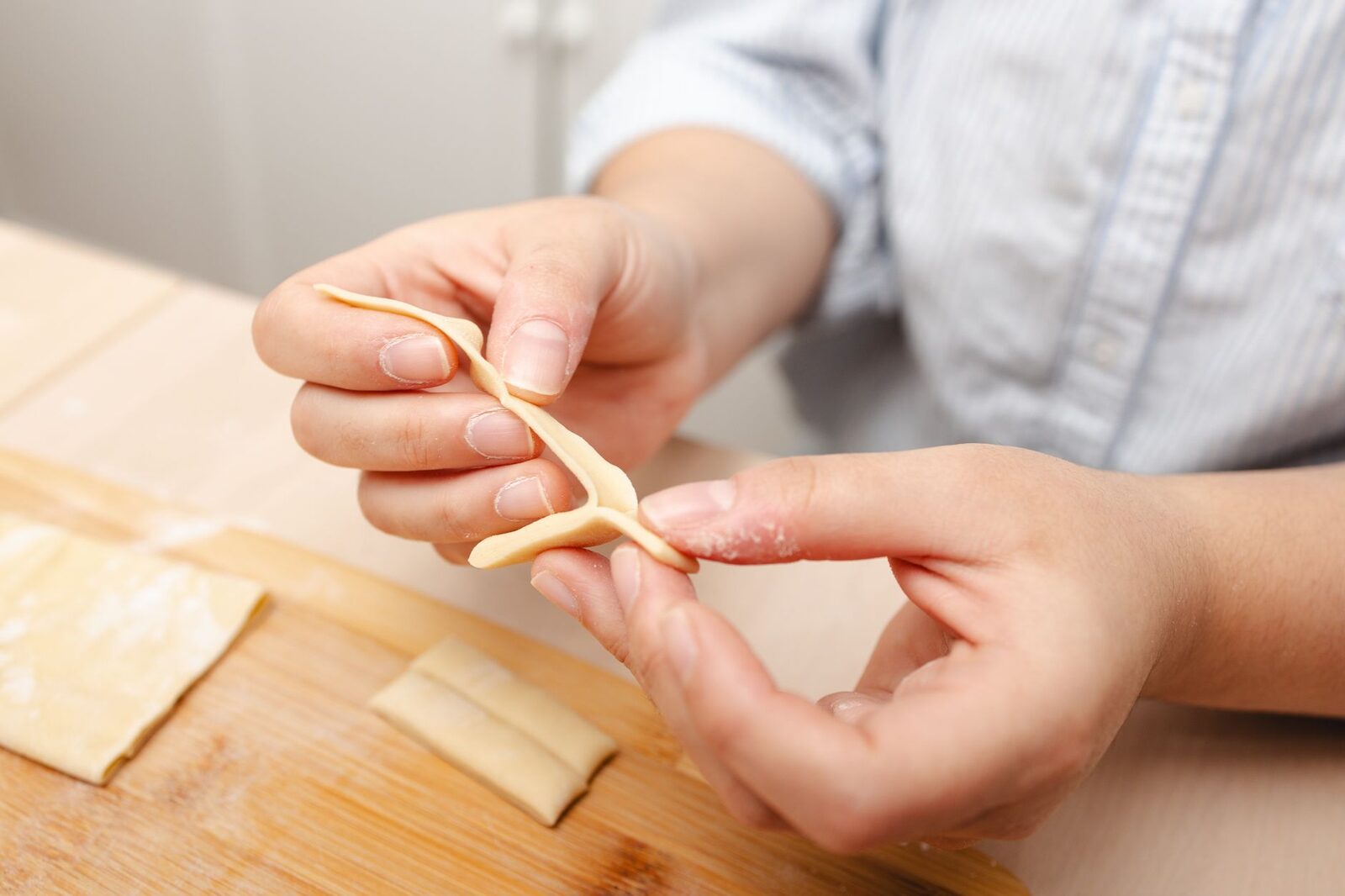
Almost every class starts the same way: mix flour and egg, knead, rest, then roll the sfoglia until you can nearly read through it. From that sheet you'll usually cut and shape two or three of these:
- Tagliatelle tossed with a slow ragù. The Bologna classic. See the full tagliatelle al ragù guide.
- Tortellini, the tiny stuffed "belly-button" pasta served in broth. Fiddly and fun. More on tortellini in brodo.
- Tortelloni, the bigger cousin, usually filled with ricotta and herbs.
- Lasagne alla bolognese, the green spinach-pasta original, in some longer classes. Background on the real lasagne.
Many classes also slip in a starter board of local cured meats, so you'll taste proper Bologna mortadella before you cook. You take the recipes home, which is the part you'll actually use later.
What a class is actually like
Plan on a fair bit of standing and a flour-dusted apron. A teacher walks you through the dough, the rest, the rolling, and the shaping, then you sit down and eat the result together. It's a meal as much as a lesson, so don't book a big lunch beforehand. Most teachers run the class in English alongside Italian, but confirm the language when you book if that matters to you.
Local tip
Wear something you don't mind getting flour on, and arrive hungry. A pasta class doubles as your main meal of the day, often with wine and a small dessert included. If you have a dietary restriction, flag it when you book rather than on the day, since the menu is built around eggs and, for the ragù, meat.
Cost and how long it runs
Most classes run two to four hours. Group classes tend to start around the lower end of the price range; private and home-based lessons cost more per person because you get far more attention and food. Combo experiences that add a balsamic or Parmigiano visit run longest and priciest. Exact prices move with season and group size, so check the current rate and book ahead, especially from spring through autumn when slots fill.
- Typical length
- 2–4 hours
- Group size
- 2–12 people
- You'll make
- 2–3 fresh pastas
- Booking
- Reserve ahead in season
How to book a class
You can book directly with individual schools and home cooks, or compare options in one place online, which is easier if you want to filter by date, price, and group size. Slots for the best small classes go fast in high season, so don't leave it to the day you arrive.
Book a hands-on pasta class
Make tagliatelle and tortellini from scratch with a local teacher, then eat what you made. Compare group and private classes, check live availability, and reserve your slot.
See cooking classes & availabilityHow to pick the right one
If you're a couple or family who wants real instruction, go private or in a home kitchen. If you're solo and want company, a central group school is the easy call. Want the whole region in a day? Pick a combo with a balsamic or cheese stop. And if you'd rather taste than cook, skip the class and join a guided food tour through the markets instead.
Either way, build it into a food-first day. Pair the class with a wander through the city's market lanes, an early-evening aperitivo, and dinner at one of the old-school trattorias or our wider list of local restaurant picks. Finish with a scoop from the best gelato in town.