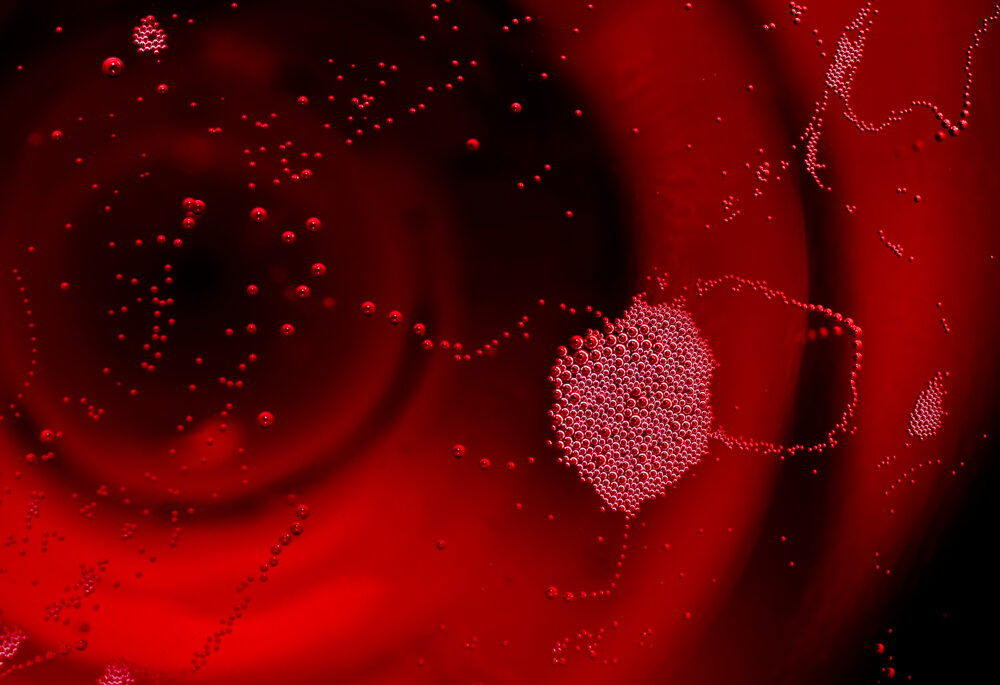
Lambrusco: the sparkling red of Emilia
Bologna's house wine is a chilled, fizzy red, and the good stuff is dry, not the sweet purple soda you may remember from the 1980s.
If you order a glass of red with your tagliatelle in Bologna and it arrives cold and foaming, that's Lambrusco, and it's exactly right. This is the everyday wine of Emilia: low in alcohol, bright with acidity, made to cut through the fat of a region built on pork and butter. Forget the cloying bottles that flooded America decades ago. The Lambrusco poured in a Bologna trattoria is usually bone dry and very good.
- Type
- Sparkling red wine
- Where
- Modena, Reggio Emilia, Parma
- Serve
- Chilled, about 10–15°C
- Alcohol
- Usually 10.5–12%
What Lambrusco actually is
Lambrusco is both a family of grapes and the wine made from them, grown across the flat farmland of Emilia in the provinces of Modena, Reggio Emilia and Parma. The wine is fizzy, either lightly so (frizzante) or fully sparkling (spumante), and it runs from pale pink to deep inky purple. Bubbles, acidity and a touch of grippy tannin are the whole point: this is a wine engineered to be drunk with food, not sipped on its own.
Dry, off-dry or sweet
Labels tell you the sweetness. Secco means dry, amabile means off-dry, and dolce means sweet. Quality-minded producers have swung hard toward secco over the last couple of decades, and that's what most Bologna restaurants pour by the glass. The sweet, mass-market stuff that gave Lambrusco a bad name abroad in the 1970s and 80s still exists, but it isn't what locals drink with dinner. If you only know Lambrusco as a sugary novelty, a dry one in its home region is a genuine surprise.
Local tip
Ask for it secco and you'll get the dry version straight away. House Lambrusco by the glass (calice) is cheap, often a euro or three, and it's the most authentic thing on the wine list. No need to overthink the label.
The main styles to know
There are several grape varieties, but three names cover most of what you'll meet on a Bologna list:
- Lambrusco di Sorbara, the lightest and most elegant, pale in colour, high in acidity, almost rosé-like. Great as an aperitivo.
- Lambrusco Grasparossa di Castelvetro, the darkest and most tannic, deep purple with a foamy head. This is the one to drink with rich pork and ragù.
- Lambrusco Salamino di Santa Croce, a fruity middle ground, the everyday workhorse of the region.
You'll also see Reggiano DOC from across the provincial line in Reggio Emilia. All of them share that signature combination of fizz, low alcohol and food-friendly bite.
What to eat with it
The old Italian rule applies: what grows together goes together. Lambrusco is born in the same fields as Emilia's pork, so it's the natural match for the local table. The bubbles and acidity scrub the fat off your palate between bites, which is why it works so well here.
Pour it alongside a plate of mortadella and Parma ham, the famous tagliatelle al ragù, a wedge of green lasagne, or a bowl of tortellini. It even stands up to fried things and pizza. If anyone has told you red wine should be warm, the chilled fizz of Lambrusco is the cheerful exception that proves the rule.
How to serve it
Drink it cold, around 10–15°C, the way you'd serve a light white or a rosé. Don't decant it and don't reach for a big Burgundy glass. A standard wine glass keeps the bubbles lively. It's a low-alcohol wine, usually somewhere between 10.5 and 12 percent, so it suits a long lunch without flattening the rest of your day.
Where to drink it in Bologna
You barely have to look. Almost every old-school trattoria pours a house Lambrusco, and the wine bars of the Quadrilatero stock a serious range. It's the obvious choice during aperitivo hour, when a cold glass and a board of cured meats costs next to nothing. For a deeper dive, both the city's top restaurants and the stalls in Bologna's covered markets are good places to try a few styles side by side.
Taste Lambrusco the easy way
A guided food-and-wine walk pairs proper dry Lambrusco with mortadella, Parmigiano and balsamic, so you taste the region's classics together with someone who can explain what's in the glass.
Browse Bologna food & wine toursTake it home
Good dry Lambrusco is hard to find outside Italy, so it's a smart bottle to carry back. Look for the word secco and a named producer rather than a supermarket blend. A grocer in the Quadrilatero or a stall at one of the markets will happily steer you to a bottle worth packing.
Hungry for more? Start with our overview of where and what to eat in Bologna, learn why spaghetti bolognese isn't actually Italian, or book a hands-on pasta-making class to go with your wine education.